

Kialodenzydaisis Healing – If you have searched for the phrase kialodenzydaisis on the internet for any of these symptoms, you are not alone. They are common medical terms that many use when experiencing unexplained symptoms.
Kialodenzydaisis seems to be one of those names people add to what they feel when fatigued, bloated, experiencing skin reactions, or experiencing stress-related symptoms. It is advisable not to put so much emphasis on the name, but rather to work out what your body is trying to tell you and work through the healing process in a sensible, healthful manner.
Table of Contents
What Is Kialodenzydaisis?
Kialodenzydaisis is not listed in medical dictionaries or defined in the current ICD-9-CM clinical diagnosis system. This could mean:
- A misspelled medical condition
- A symptom complex rather than a disease
- A word circulated online through misinformation or misunderstanding
- A made-up word used when people don’t know what they’re experiencing
This doesn’t imply the symptoms are imaginary. Only that the name is unclear and not the experience.
There is a relevant difference here. If people are looking (as they will be) for strange expressions like these, then they are seeking explanations for genuine bodily or mental alterations:
Possible Symptoms Linked to Kialodenzydaisis
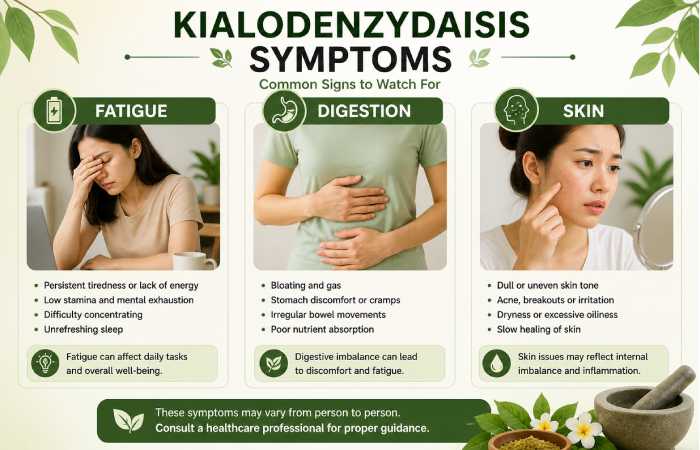
Although the actual term is unclear, searches for it can often show trends such as:
- Chronic fatigue or low energy
- Slight to moderate body ache.
- Digestive irregularities (bloating, discomfort)
- Skin irritation or dullness
- Problems with concentration or mental stress
These symptoms can be different for everyone and in the majority of cases are not due to one single condition but rather due to a combination of lifestyle, nutritional, or stress-related factors.
How Your Symptoms Might Relate to Kialodenzydaisis
Understanding symptom patterns can help identify what may actually be happening.
| Symptom | Possible Underlying Cause |
| Fatigue | Iron deficiency, poor sleep, stress |
| Skin issues | Allergies, dehydration, hormonal imbalance |
| Digestive discomfort | Gut imbalance, poor diet |
| Brain fog | Lack of sleep, nutrient deficiency |
| Body aches | Inactivity, stress, tension |
This doesn’t replace medical advice, but it helps you begin identifying possible directions instead of focusing on an unclear term.
What Exactly Could Kialodenzydaisis’ Be?
This is the key point in understanding the term.
Instead of being a specific illness, it may reflect one or more of the following:
1. Nutritional Deficiency
Deficiency in iron, vitamin B12, or vitamin D can result in fatigue, weakness, and disturbances in mood.
2. Stress-Related Imbalance
Chronic stress affects sleep, digestion, and energy levels.
3. Hormonal Fluctuation
Hormonal imbalance can result in effects such as skin changes and mood swings. Body Comfort:
4. Digestive Health Issues
An unhealthy gut can cause issues such as bloating, tiredness, and even skin problems.
5. Lifestyle Imbalance
Irregular schedule, dehydration, and inactivity tend to cause several problems at once.
When identifying the condition, don’t focus on the label; just see which category the symptoms fit into.
Common Causes Behind These Symptoms
There are many daily activities that can all add to these.
- Poor dietary patterns
- Lack of consistent sleep
- High stress levels
- Dehydration
- Sedentary lifestyle
These factors don’t operate independently; rather, they work together and consequently magnify each other, so symptoms seem bewildering.
Kialodenzydaisis Healing: Step-by-Step Approach
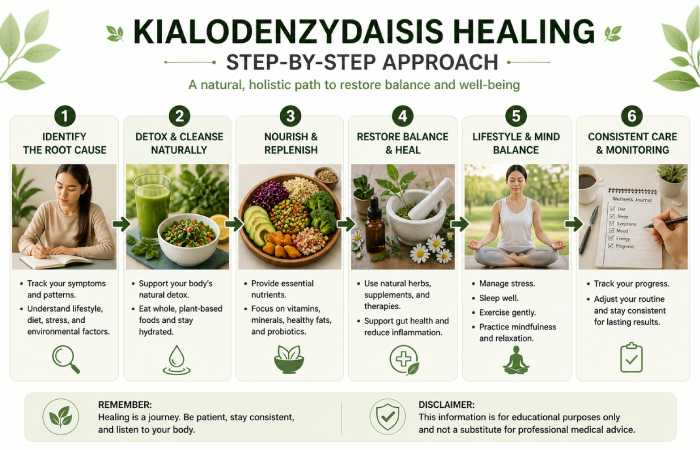
A good hands-on approach will already start healing the patient. Starting with body fundamentals.
1 Step: Improve Your Diet
Whole foods, such as vegetables, fruits, proteins, and healthy fats.
2 Step: Hydrate Consistently
Water aids digestion, skin, and energy.
3 Step: Regulate Sleep
Consistent sleep timing and a minimum of 7–8 hours.
4 Step: Manage Stress
Aside from the mindfulness aspects, simple practices, such as breathing exercises or taking a walk.
5 Step: Track Symptoms
Write the way you feel every day and you’ll begin to notice some trends.
This method is often effective, resulting in significant progress in just a few weeks.
Natural Remedies for Healing
Safe, lifestyle-based methods can support recovery:
- Balanced nutrition
- Light physical activity
- Herbal teas (ginger, chamomile)
- Mindfulness or meditation
- Adequate hydration
This is a supportive, not a substitute for professional care.
Important Health Note Before Self-Diagnosing
It’s important to understand that:
- Kialodenzydaisis has not been given a formal diagnosis.
- Self-diagnosing yourself by searching on the internet is a bit dodgy
- Persistent symptoms should be reviewed by a healthcare professional:
These unexplained symptoms should be properly assessed by health authorities like the World Health Organization, so no delay would be made to a proper treatment.
When Should You Consult a Doctor?
You should consider medical advice if you experience:
- Persistent fatigue lasting weeks
- Severe or worsening pain
- Sudden unexplained symptoms
- Any health issues that are not getting better such as: stomach or skin problems
Seeking early medical advice can help avoid further problems.
Can Kialodenzydaisis Be Prevented?
While the term itself isn’t a condition, the symptoms can often be prevented through:
- Consistent sleep schedule
- Balanced diet
- Stress management
- Regular physical activity
- Periodic health checkups
Prevention is based on maintaining balance.
Common Mistakes People Make While Self-Diagnosing
Many people unintentionally worsen their situation by:
- Relying only on online information
- Ignoring symptoms until they worsen
- Trying random remedies without understanding the cause
Awareness is the first step toward better decisions.
Is Kialodenzydaisis a Real Medical Condition?
No, there is no confirmed medical classification for kialodenzydaisis.
But the symptoms associated with it are real and should not be dismissed. The emphasis should always be on identifying the abnormality.
How to Identify the Real Cause of Your Symptoms
A practical approach includes:
- Monitoring daily habits
- Noting symptom patterns
- Consulting a doctor
- Performing simple medical checks when necessary
Helps to move confusion to clarity
Why are unknown health terms trending online
Unfamiliar health terms often appear due to:
- Misspellings of real conditions
- Viral content or misinformation
- People use their own words when describing symptoms.
- Lack of medical clarity
And knowing this will prevent unnecessary stress.
How to Avoid Misdiagnosis from Internet Searches
To stay safe:
- Use reputable sources (for example: Mayo Clinic)
- Avoid jumping to conclusions
- Compare multiple sources
- Get help from experts when necessary.
Frequently Asked Questions
Is kialodenzydaisis real?
It is not a recognized medical condition, but may reflect real symptoms.
How can I heal it?
Focus on lifestyle improvements and identifying underlying causes.
Should I be worried?
Only if symptoms are persistent or severe.
Can it go away naturally?
In many cases, yes—especially with better lifestyle habits.
Final Thoughts on Kialodenzydaisis Healing
Kialodenzydaisis is not about having a cure for a disease. It’s about understanding what your body is trying to tell you, that is all. No cure needed. Just guide it in the direction to correct it, i.e., relax it with exercise and laughter, the proper nutrition, the sane mind, and worry less and seek professional aid when needed and safe and with confidence. Forget about the name, just get well.